1. Represent a country
Learn its history, priorities and position on today’s global challenges.
Step into the role of an international diplomat. Research global issues, represent a country, and negotiate solutions with students from around the world.
Open to students in every major
Diplomacy in action
Model United Nations is an academic simulation in which students act as delegates from different countries. You’ll research complex issues, write position papers, debate policy and collaborate on resolutions—using the same processes that shape international diplomacy.
What you’ll do
Each stage builds practical experience in communication, critical thinking and collaborative leadership.
Learn its history, priorities and position on today’s global challenges.
Analyze policy, develop arguments and write a persuasive position paper.
Practice public speaking, listen to other perspectives and build consensus.
Collaborate across delegations to create resolutions with real-world relevance.
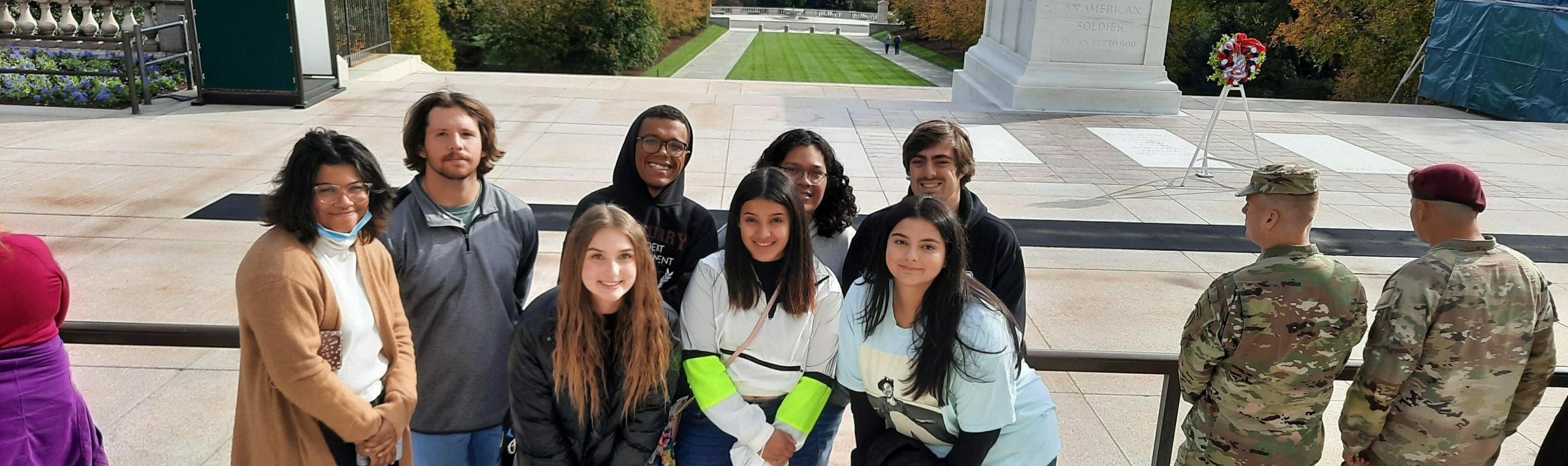
McMurry delegates attend conferences where they collaborate with students from across the country and around the world. National conference opportunities have included events in New York City.
Represent McMurry on a national stage
Build connections across universities
Experience international policy in action
Skills for any future
Model UN develops highly transferable strengths valued in graduate school, public service and nearly every profession.
Present ideas with clarity, confidence and purpose.
Evaluate sources and turn evidence into strategy.
Navigate differences and find common ground.
Lead and collaborate in fast-moving groups.
Analyze complex problems from every angle.
Understand cultures, systems and perspectives.
Good to know
You don’t need prior debate experience or a particular major—just curiosity and a willingness to participate.
No. Model UN is interdisciplinary and open to students from every academic program.
Yes. Students may attend regional and national conferences, including events in New York City.
No previous Model UN or debate experience is required. Faculty guidance helps students prepare at every stage.
Contact the program advisor to ask about courses, the team and upcoming conference opportunities.