





Early Closure

McMurry University will close at 3 p.m. on Friday, January 23, due to winter weather conditions. Visitors should postpone campus visits. Additional updates will be shared as conditions develop.

Mission

The mission of the McMurry Career & Experiential Learning Center (CELC) is to provide a supportive environment for McMurry students and alumni to engage in individualized career exploration and planning that complements their academic experience and supports their professional goals.  McMurry CELC is committed to serving the campus community and alumni with sound knowledge and supportive enthusiasm for academic, career, and personal development leading to careers that reflect their values and lead to lives of leadership and service.  It also provides opportunities for employers to have access to bright talent through campus events and online resources.

Services and Events

The Career & Experiential Learning Center provides comprehensive support and programming for students and alums at every stage of their professional journey, including:

  • Major and career exploration for students, determining a field of study

  • Career guidance for students balancing part-time employment with academic commitments

  • Workforce preparation for graduating students

  • Graduate school planning and application support

  • Career development and transition assistance for alumni

Signature Programs and Events include:

  • Alumni Career Networking

  • Business Etiquette Dinner

  • Graduate School, Virtual, Part-Time, Internship, and Teacher Job Fairs

  • Class Presentations and the Absent Professor Program

We also offer customized classroom presentations on career-focused topics, including résumé and cover letter development, networking fundamentals, business etiquette, and effective interviewing strategies.

To schedule a class presentation, please get in touch with Deborah Castleman at 325-793-4903 or castleman.deborah@mcm.edu.

Student Career Success Pathway

Freshman Year
Sophomore Year
Junior Year
Senior Year

Self-Evaluation & Career Planning

As you begin your college experience, it is entirely normal to be uncertain about your long-term career goals. This year is an ideal time to focus on self-discovery by assessing your skills, interests, personality, values, and lifestyle preferences. Gaining this insight will support informed decision-making as you explore majors and potential career paths.

Recommended Actions During the Academic Year:

  • Develop interests and transferable skills through student organizations, athletics, coursework, volunteer work, and extracurricular activities

  • Build relationships with faculty, staff, and academic advisors

  • Explore coursework options and consult advisors about areas of interest

  • Establish effective time management and study habits

  • Complete FOCUS, an online career guidance tool, is available through the Career Development Office

  • Research majors and career options using Career Development Office resources, library materials, and reputable online tools

  • Discuss career interests with parents, peers, professors, professionals in the field, and McMurry career development staff.

  • Strengthen computer and technical skills, including word processing and commonly used software.

Summer Focus

  • Secure a summer job related to potential career interests

  • Develop financial responsibility by contributing to personal expenses

  • Build a strong work ethic and professional habits

Taking a proactive approach during your first year establishes a strong foundation for academic success and long-term career development.
Career Exploration & Investigation

Sophomore year is a critical time to deepen your understanding of potential career paths. Continue gathering information about fields of interest, with a strong emphasis on learning directly from professionals currently working in those roles. Internships, summer employment, volunteer experiences, and job shadowing provide valuable firsthand insight into workplace expectations and career fit.

Recommended Actions During the Academic Year:

  • Attend career fairs and career-related programs to broaden awareness of available roles and industries

  • Conduct informational interviews with professionals in fields of interest

  • Participate in job shadowing experiences to observe daily responsibilities and workplace culture

  • Pursue internships, part-time roles, summer employment, and volunteer opportunities to gain practical experience

  • Take on leadership or responsible roles within campus organizations

  • Register with the Career Development Office for support with career research, résumé and cover letter development, networking, job search strategies, and interview preparation.

  • Begin drafting a professional résumé

  • Identify and compile professional references for future use

  • Strengthen written and verbal communication skills

Summer Focus

  • Obtain a summer job related to your intended career path

  • Build a strong professional reputation, establish references, and take responsibility for personal expenses

These steps will help clarify career direction while building the skills and experience necessary for future success.

Gaining Career Experience

Junior year is a pivotal stage for translating academic learning into professional experience. Internships, summer employment, and leadership roles allow you to build marketable skills, clarify career goals, and expand your professional network. Strong academic performance—particularly within your major—remains essential. This is also a necessary time to reassess your interests and long-term objectives.

Recommended Actions During the Academic Year:

  • Update your résumé after each internship, job, or leadership experience

  • Seek leadership roles within student organizations and campus activities

  • Schedule résumé reviews with Career Development staff

  • Continue building hands-on experience through internships, cooperative education, and student involvement

  • Develop professional relationships with faculty and supervisors who may serve as references

  • Register with and actively utilize the Career Development Office

  • Identify career paths aligned with your major and interests by completing interest inventories

  • Research career fields and employment trends

  • Discuss career opportunities with faculty, advisors, industry professionals, and Career Development staff

  • Attend job fairs, on-campus interviews, workshops, and professional development seminars

  • Begin intentional networking with professionals in your field of interest

Summer Focus

  • Secure an internship or job directly related to your field of study

  • Continue developing technical, computer, and job-specific skills

  • Compile and organize professional materials, including reference letters, awards, commendations, and a personal inventory of skills and interests

These efforts will position you for a competitive transition into advanced experiential learning or full-time employment.

Job Search & Transition into the Workplace

Senior year marks the transition from college to graduate school or full-time employment. This is the time to set clear, realistic career goals and execute a structured job or graduate school search strategy. Applications for graduate programs, letters of recommendation, and required test scores should be prepared and submitted well in advance. Identifying target employers and roles is critical to a successful transition.

Recommended Actions During the Academic Year:

  • Take ownership of your job or graduate school search process

  • Review job and internship listings through the Career Development Office

  • Participate in on-campus interviews coordinated by Career Development

  • Expand your search using online resources available through the Career Development website

  • Leverage personal and professional networks to identify opportunities and secure referrals

  • Attend career fairs and employer recruitment events

  • Confirm remaining degree requirements early to avoid delays in graduation

  • Consider completing an additional internship to strengthen your résumé

  • Prepare for your first professional role by connecting with McMurry alums and learning from their early-career experiences

  • Continue refining your résumé and cover letter, and schedule reviews with Career Development staff.

  • Join relevant professional associations and organizations

  • Maintain active, strategic networking efforts

  • Organize your job search, maintain a placement file, and submit tailored application materials.

By approaching your senior year with intention and accountability, you will be well-positioned for a confident, successful transition into the workforce or graduate study.

Career Development Staff

The Career & Experiential Learning Center staff is located in the Campus Center.

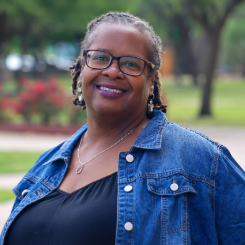
Deborah Castleman Career Specialist
Career & Experiential Learning Center